The Rise of Cloud Gaming: Why You Might Not Need a Console Much Longer
The Rise of Cloud Gaming: Why You Might Not Need a Console Much Longer
For decades, playing a demanding game meant owning hardware powerful enough to run it — a console under the TV or a gaming PC with a serious graphics card. Cloud gaming quietly breaks that assumption, and it's changed enough in the past few years that the console-shaped bottleneck is starting to look optional rather than mandatory.
The Game Doesn't Run on Your Device Anymore
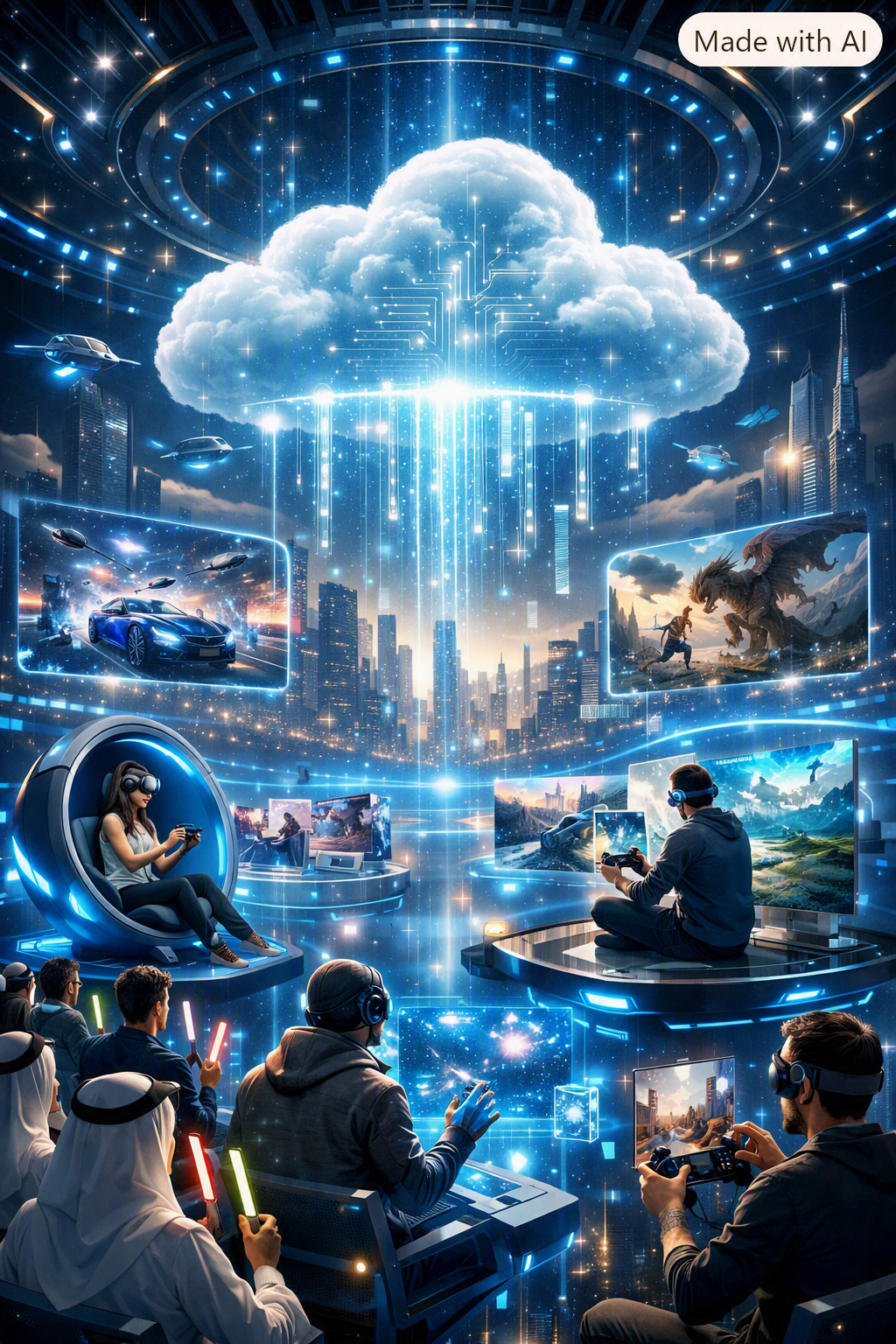
Cloud gaming streams a game's actual processing from a remote data center to a local device — a phone, a TV, a laptop, even a low-power streaming stick — over the internet. The game itself runs on the provider's hardware; what reaches the player's screen is essentially a video stream of the gameplay, with inputs sent back the other direction. It's the same basic shift video streaming made to movies and TV: the heavy lifting moved off the local device and onto someone else's servers.
Who's Actually Doing This
Several major players have built real products around this model. Xbox Cloud Gaming, bundled into Game Pass Ultimate, lets subscribers stream a large catalogue of Xbox titles to phones, tablets, and browsers without owning a console. NVIDIA's GeForce NOW takes a different angle, letting players stream games they already own from various storefronts using NVIDIA's cloud GPUs. Sony has built its own cloud streaming into the PlayStation ecosystem as well. Between them, they represent a genuine industry bet, not an experimental side project.
The Appeal: Skip the Hardware Entirely
The obvious draw is cost and access. A capable gaming PC or the latest console is a real upfront expense; cloud gaming instead asks for a subscription and a device most people already own. That opens high-end gaming to phones, budget laptops, and smart TVs that could never run these games locally — a meaningfully lower barrier to entry than buying dedicated hardware.
The Catch: Your Internet Connection Is the New Bottleneck
The tradeoff is that performance now depends entirely on network quality instead of local hardware. Low latency and a fast, stable connection are essential — any lag between pressing a button and seeing it register on screen is far more noticeable in a fast-paced game than in a streamed movie. That's exactly why cloud gaming has grown fastest in regions with strong fiber and 5G infrastructure: the technology's real-world quality is only as good as the network under it.
A Different Business Model, Not Just a Different Delivery Method
Cloud gaming also represents a deliberate shift in how platform holders make money — from a one-time hardware purchase to an ongoing subscription relationship. That's a meaningfully different bet: instead of profiting once when someone buys a console, the business depends on keeping subscribers engaged and paying month after month. It's a big enough shift in incentives that it's shaping how these companies design and market their services.
Why It Still Matters
Cloud gaming hasn't replaced dedicated hardware, and probably won't fully replace it anytime soon for players chasing the absolute best performance. But for a large and growing share of players, "good enough, streamed to whatever screen is nearby" is starting to beat "expensive box required." As network infrastructure keeps improving, that trade gets more favorable every year — which is exactly why the platform holders investing in it are playing a long game.
SEO Keywords: cloud gaming, Xbox Cloud Gaming, GeForce NOW, game streaming, gaming subscriptions, gaming hardware, 5G gaming, latency