🇨🇳 Inside China’s Product Powerhouse
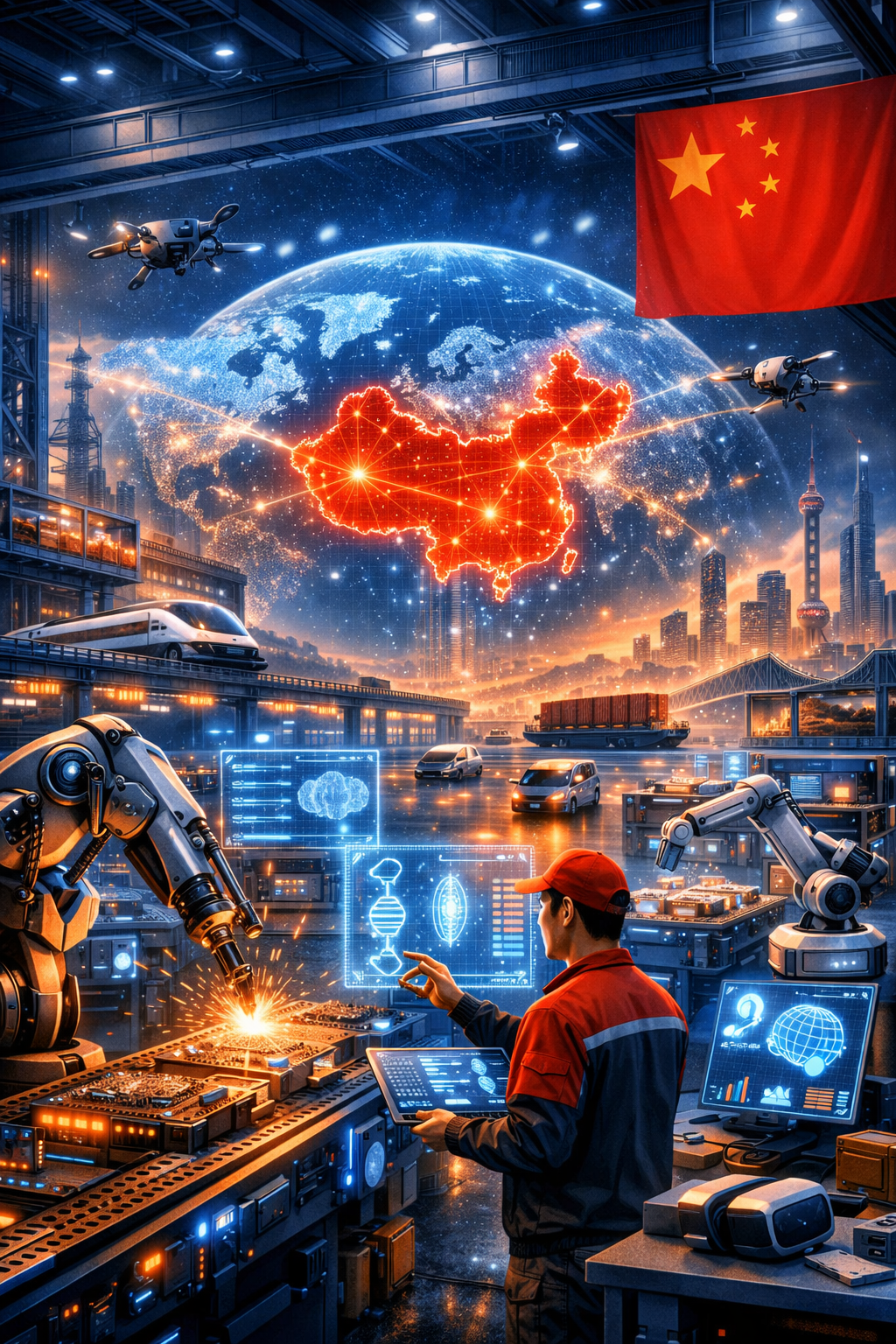
🇨🇳 How Products from China Power the World: The Hidden Engine of Global Innovation
⚙️ 1. The Manufacturing Ecosystem China’s industrial zones operate like living organisms. Each region specializes in a specific product type — Shenzhen for electronics, Yiwu for consumer goods, Guangzhou for automotive parts. Factories are interconnected through supply chains that can design, prototype, and ship a product in days. This speed is unmatched anywhere else in the world.
🚀 2. The Technology Behind Efficiency Automation and AI are now central to Chinese manufacturing. Robotic arms assemble smartphones, drones monitor production lines, and predictive algorithms manage inventory. Factories use digital twins — virtual replicas of production systems — to simulate and optimize output before making physical changes. It’s not just mass production; it’s smart production.
🌍 3. Global Reach and Adaptability Chinese manufacturers don’t just produce — they adapt. They can customize products for different markets, languages, and standards almost instantly. That’s why you’ll find the same gadget branded differently in Dubai, Berlin, and New York. It’s a flexible system designed for global demand.
💡 4. Innovation Through Collaboration Many Western brands rely on Chinese R&D teams for prototyping and testing. Partnerships between Chinese engineers and global startups have accelerated innovation in fields like renewable energy, robotics, and electric vehicles. China’s factories aren’t just copying — they’re co‑creating.
🔋 5. Sustainability and the Future China is investing heavily in green manufacturing. Solar factories, electric logistics fleets, and recyclable materials are becoming standard. The next wave of “Made in China” will focus on eco‑efficiency — products that are cleaner, smarter, and globally sustainable.
Conclusion Products from China don’t just work — they make the world work. They represent a system of precision, adaptability, and innovation that fuels global progress. The future of manufacturing isn’t about location — it’s about integration, and China has already mastered that art.