AI Is Democratizing Content Creation
AI Is Democratizing Content Creation
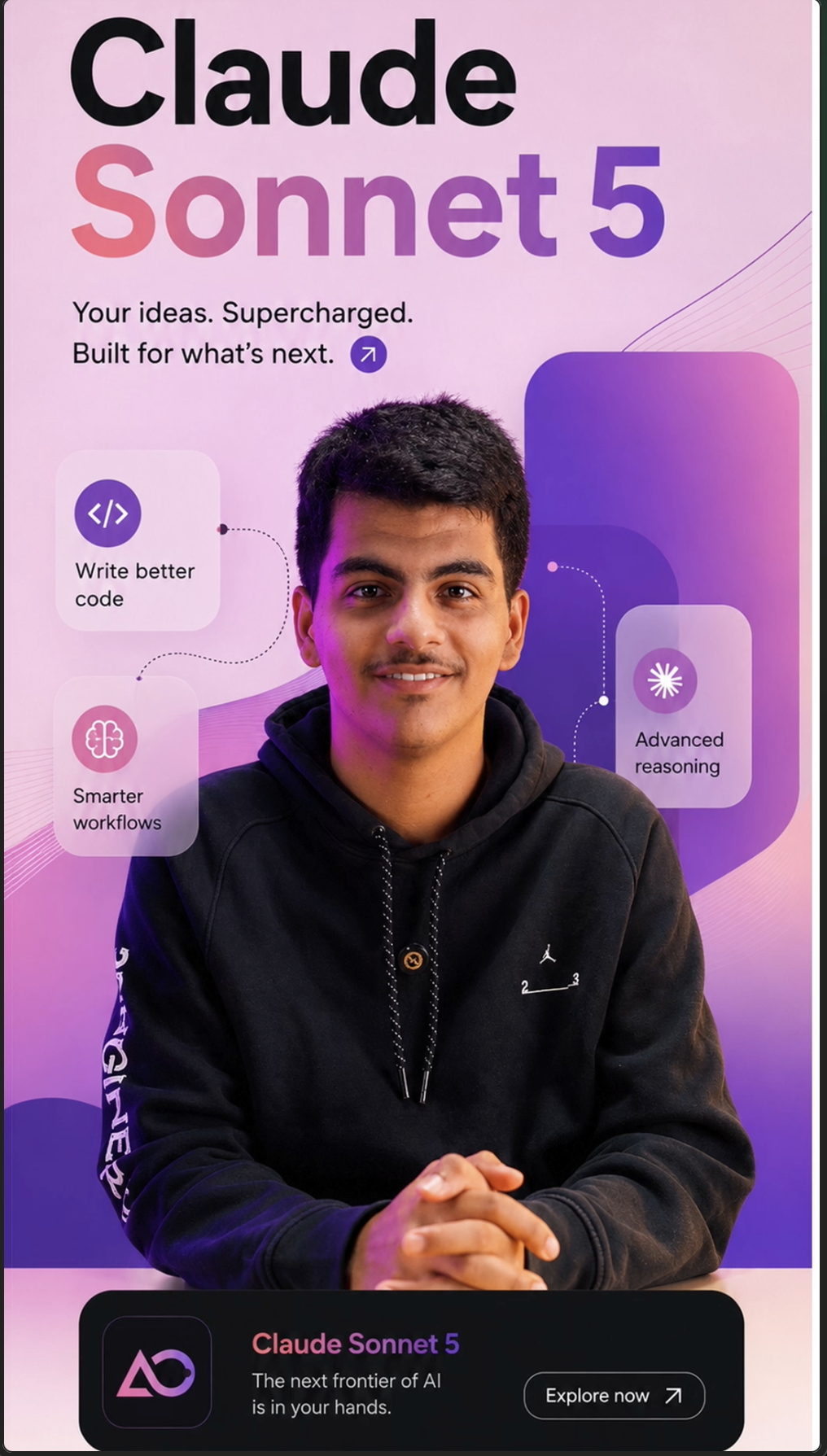
The creator economy is experiencing an AI revolution. Tools that once required teams of specialists—video editors, graphic designers, copywriters, producers—are becoming accessible to individual creators. AI generates artwork, writes copy, edits videos, and composes music. The result: creators can produce higher-quality content faster and more profitably. The barriers to professional-grade creation are collapsing.
AI Content Generation Tools
Modern AI generates text, images, video, and audio of impressive quality. ChatGPT and similar models write compelling copy instantly. DALL-E and Midjourney generate original artwork matching detailed descriptions. AI video tools edit raw footage, color grade, and generate effects. Generative audio creates background music and sound design. These tools aren't replacing human creativity—they're augmenting it, handling tedious production tasks while humans focus on vision and direction.
Economics of Creator Tools
Professional video production traditionally required expensive equipment and skilled crews. AI tools cost $10-50 monthly, accessible to individual creators. A solo creator can now produce content quality previously requiring teams. This economics shift enables more people to become professional creators, increasing competition but also democratizing opportunity. Creators with vision but limited budgets can now execute ambitious projects.
Quality and Authenticity Concerns
AI generation raises quality questions: Do AI-generated visuals look authentic? Can algorithms match human creative intuition? Audiences increasingly prefer authentic, human-created content—but AI augmentation is invisible when done well. The most successful creators use AI strategically for tedious tasks while maintaining human creative control. Audiences respond to authenticity and vision more than production quality.
Monetization and Platform Evolution
Creator platforms (YouTube, TikTok, Instagram) are integrating AI tools, enabling creators to earn more from their work. AI-assisted creators achieve better engagement metrics through optimized posting times, content recommendations, and personalization. Revenue models are evolving: subscriptions, sponsorships, direct support, and brand partnerships. AI helps creators understand audiences and optimize business models.
The Copyright and Ownership Question
A contentious issue: Who owns content generated by AI tools? If an AI creates images based on training data, do original artists have rights? Current legal frameworks are unclear. Some AI companies face lawsuits over training data sourcing. As AI becomes central to creation, these questions will shape industry norms and regulations. Transparent disclosure of AI involvement is becoming expected practice.
Skills of Future Creators
The creator skills hierarchy is shifting. Technical production skills (filming, editing) are becoming less critical as AI handles execution. Instead, vision, storytelling, audience understanding, and curation become more valuable. Future creators excel at directing AI tools toward their creative vision. Successful creators will combine artistic sensibility with technical fluency in AI tools.
SEO Keywords: AI content creation, generative AI, creator tools, AI video editing, content creator AI, digital content, creative technology, artist tools